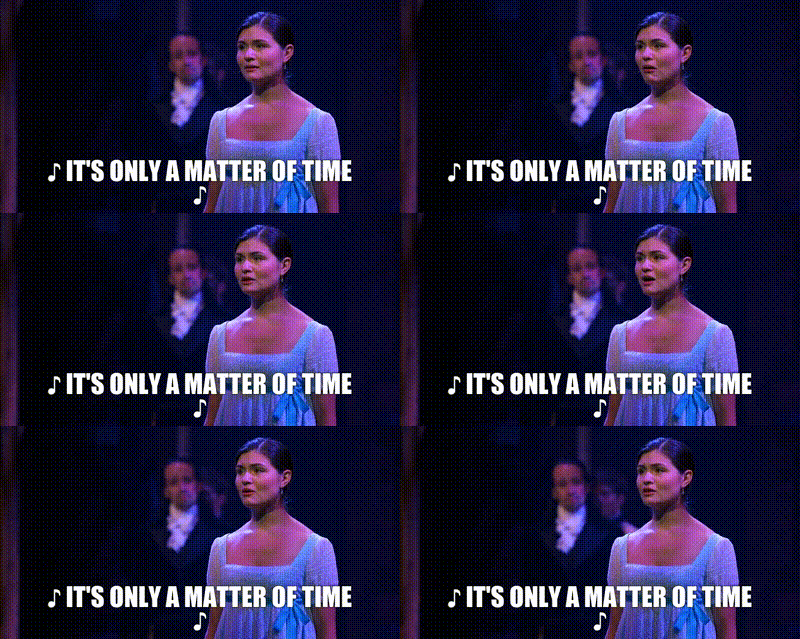
It’s only a matter of time
*<오늘의 Survival English>
1,(a matter of preference: 취향의 문제)
“Which one do you like better, the original or the remake?”
(당신은 어느 게 더 좋은가요, 원작인가요 리메이크인가요?)
“Honestly, it’s a matter of preference. I like them both”
(솔직히 취향의 문제겠죠. 난 둘 다 좋아해요)
2,“Do you think it’s better to live in the city or the suburbs?”
(도시에 사는 게 좋은가요, 교외에 사는 게 좋은가요?)
“I think it’s just a matter of preference.
Some people love the city, and others prefer the suburbs”
(그건 그냥 취향의 문제라고 생각합니다.
어떤 사람은 도시를 좋아하고, 어떤 사람은 교외를 더 좋아하잖아요)
3,(open to interpretation: 해석의 여지가 있는/ 해석할 나름인)
“So, what do you think the ending means?”
(그래, 당신은 그 결말이 무슨 의미라고 생각하나요?)
“I think it’s open to interpretation. It’s really up to the viewer”
(그건 해석하기 나름인 것 같아요. 결국 보는 사람에게 달린 거겠지요)
4,“Do you think he was being rude or just joking?”
(그 사람이 무례했던 것 같나요, 아니면 그냥 농담한 것 같나요?)
“It’s open to interpretation.
I guess it depends on how you look at it”
(그건 해석하기 나름이겠죠. 어떻게 보느냐에 따라 다르다고 생각해요)
5,(matter: 중요한, 문제가 되는)
“It matters to me”
(그건 나에게 나에게 중요해요)
“It doesn’t matter”
(난 상관없어요 / 중요하지 않아요)
6,“What matters most is that you tried”
(가장 중요한 건 당신이 노력했다는 겁니다)
“It doesn’t matter how much money you make”
(당신이 얼마나 돈을 많이 버느냐는 중요하지 않아요)
7,“Your opinion really matters to me”
(당신 의견은 나에게 정말 중요해요)
8,(a matter of time: 시간 문제다, 결국 그렇게 될 일)
“It’s only a matter of time before he finds out”
(그가 알게 되는 건 시간 문제다)
“Don’t worry. You’ll get used to it. It’s just a matter of time”
(걱정하지 마. 익숙해질 거야. 그건 단지 시간 문제야)
9,“With enough practice, you’ll speak English fluently.
It’s only a matter of time”
(충분히 연습하면 당신도 영어를 유창하게 말하게 될 거에요. 그건 시간 문제일 뿐이죠)
10,(preference: 선호, 기호, 더 좋아하는 것)
“Do you have a preference for coffee or tea?”
(커피와 차 중 어느 것을 더 좋아하세요?)
“I have no preference. Either one is fine”
(난 특별히 선호하는 게 없어요. 어느 쪽이든 좋아요)
11,“My preference is to sit by the window”
(나는 창가에 앉는 걸 더 선호하죠)
12,(send one's regards:~에게 안부를 전하다 / 안부를 전해 달라고 하다)
“I’m going to see Sarah this weekend”
(이번 주말에 Sarah를 만날 거야)
“Oh, please send her my regards”
(아, 그럼 그녀에게 내 안부 좀 전해 줘)
13,“I ran into Susan yesterday”
(나 어제 우연히 수잔을 만났어)
“Really? Next time you see her, give her my regards”
(다음에 그녀를 만나면 내 안부 좀 전해줘)
4. without further ado
더 이상 지체하지 않고 / 군더더기 없이 바로 / 바로 시작하겠습니다
발표나 소개를 시작할 때 아주 자연스럽게 쓰는 표현입니다.
“그럼 바로 시작하겠습니다” 정도로 기억하면 좋습니다.
A: And now, without further ado, let’s welcome our guest speaker.
B: Please give him a big round of applause!
A: 그럼 더 이상 지체하지 말고 오늘의 초청 연사를 모시겠습니다.
B: 큰 박수로 맞아 주세요!
A: Without further ado, let’s get started.
B: Okay, let’s dive right in.
A: 그럼 바로 시작하겠습니다.
B: 좋아요, 바로 본론으로 들어가죠.
3. past that point — 그 시점을 넘어서 / 그 정도를 지나면
past that point는 어떤 한계·시점·단계를 넘어선다는 뜻입니다.
Once you get past that point, it gets much easier.
그 시점을 넘어서면 훨씬 쉬워져.
I don't think we should go past that point.
나는 우리가 그 정도까지 넘어가서는 안 된다고 생각해.
회화에서는 특히 “Once you get past that point…”가 유용합니다.
Once you get past that point, there's no turning back.
그 시점을 넘어서면 되돌아갈 수 없어.